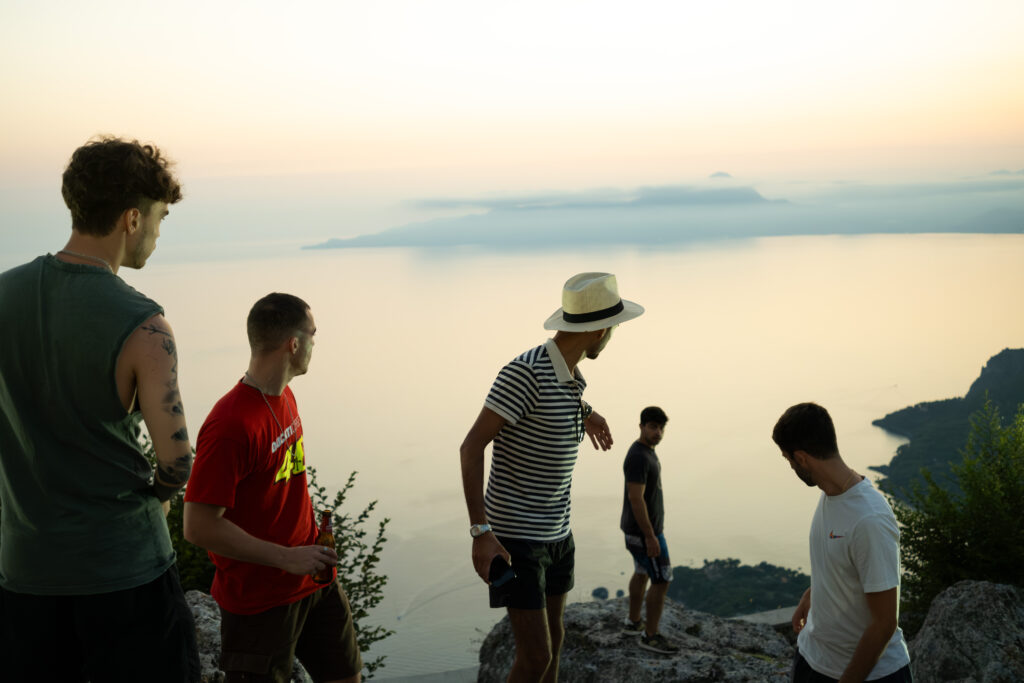
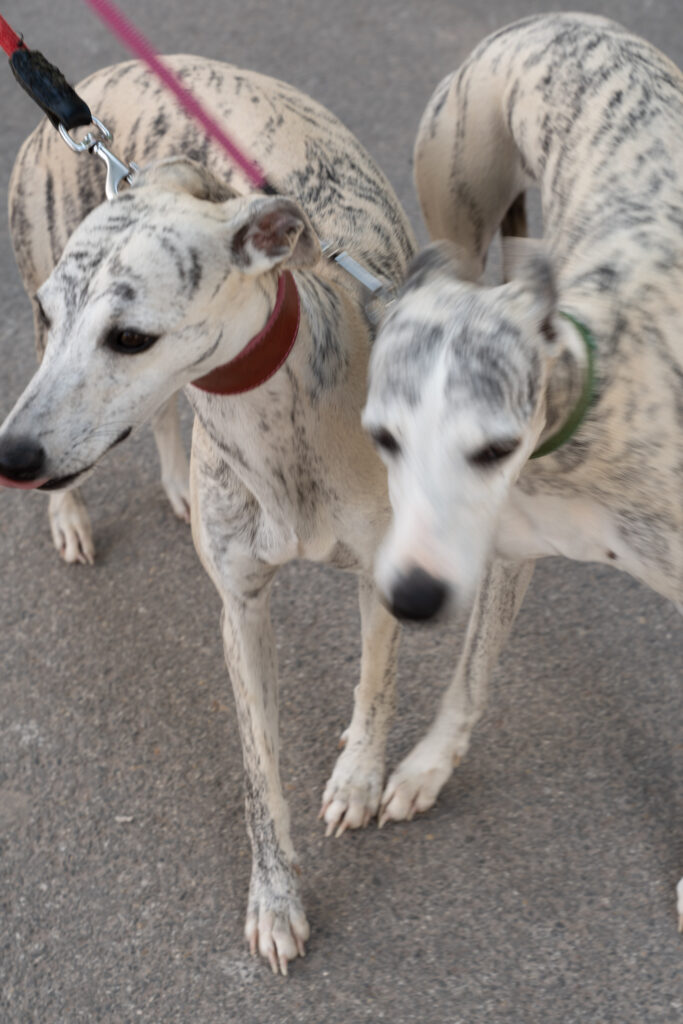
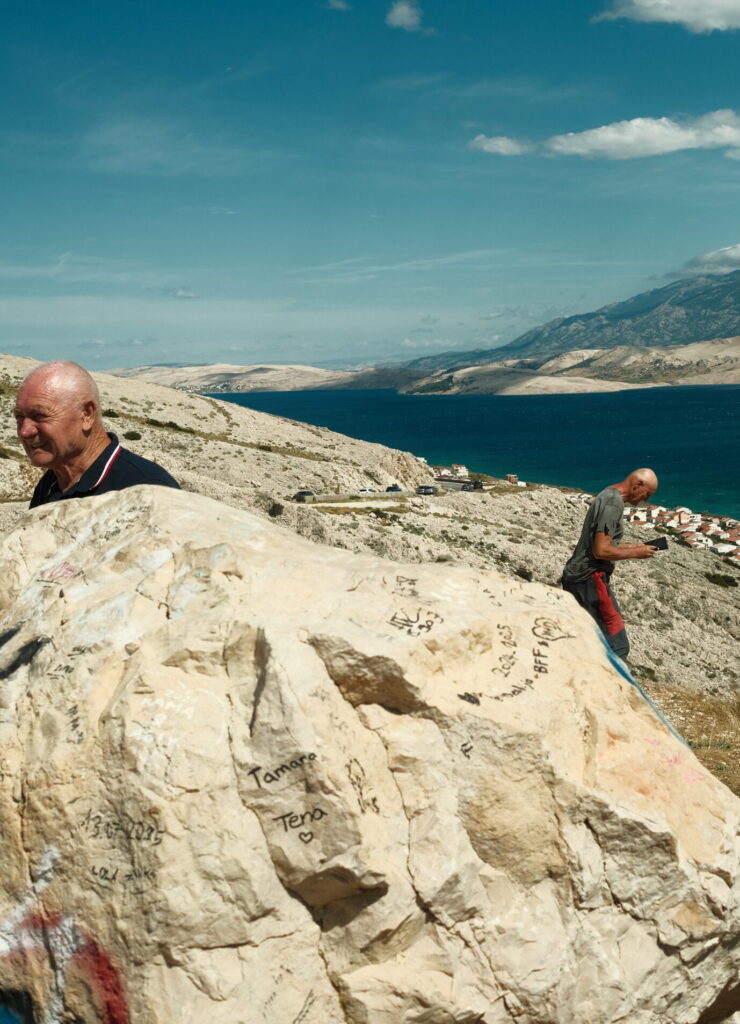
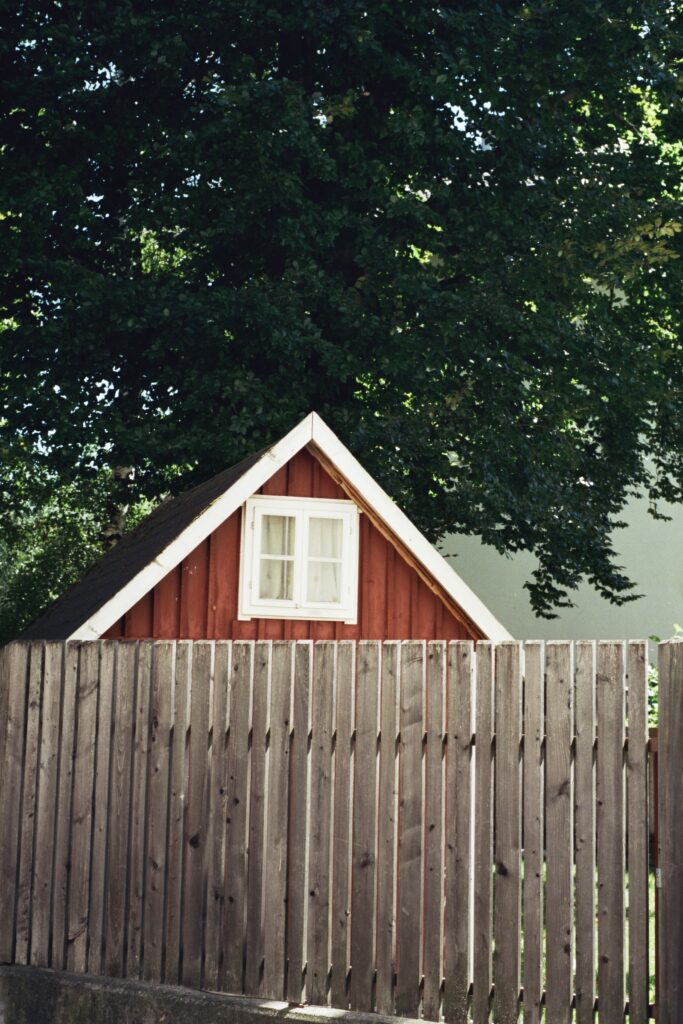
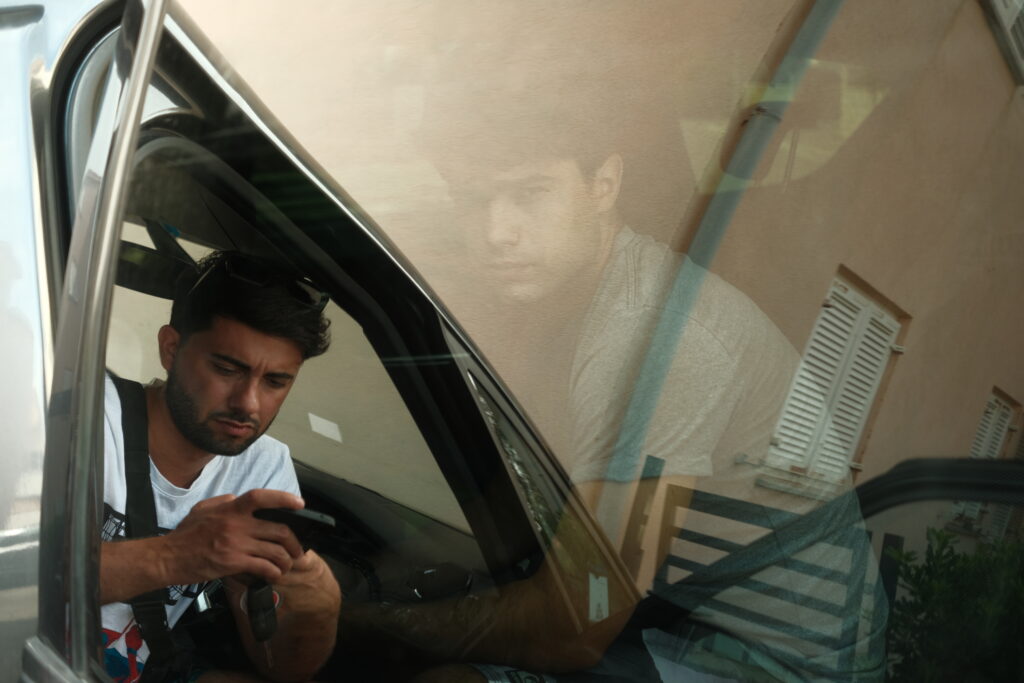
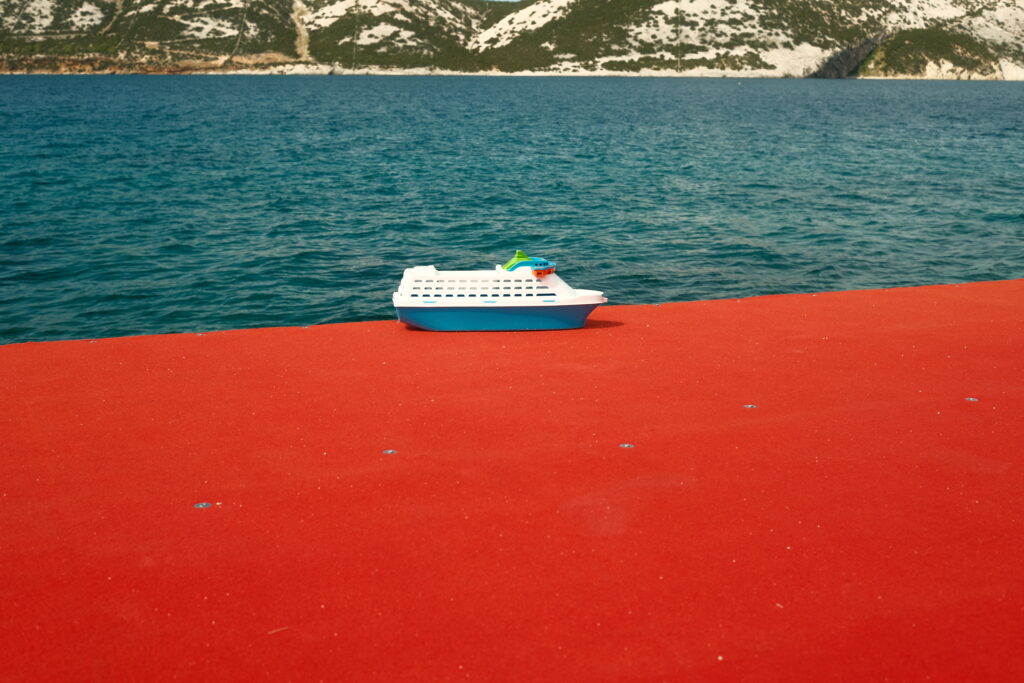
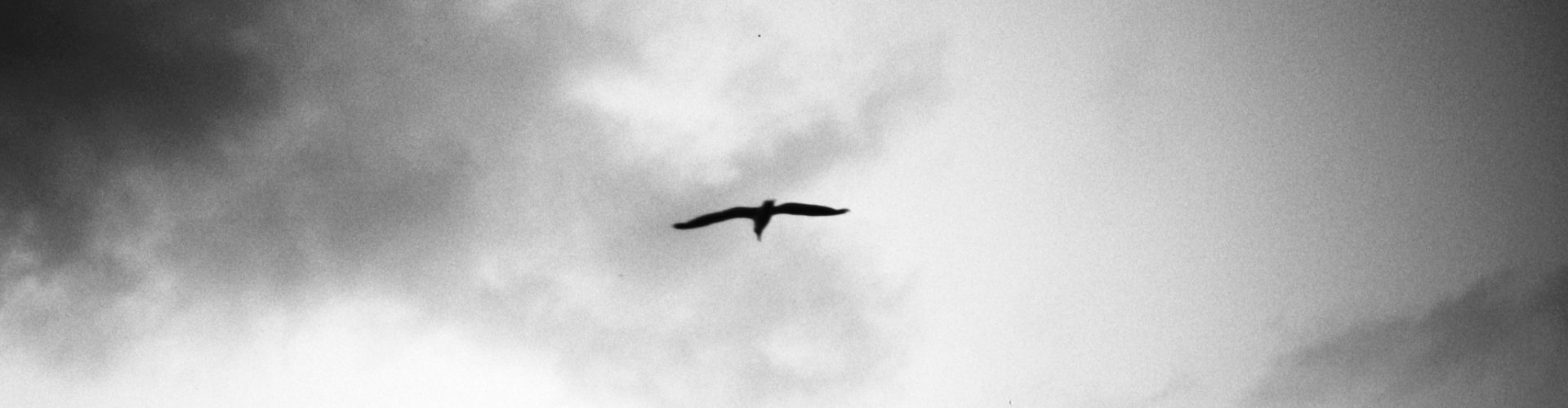
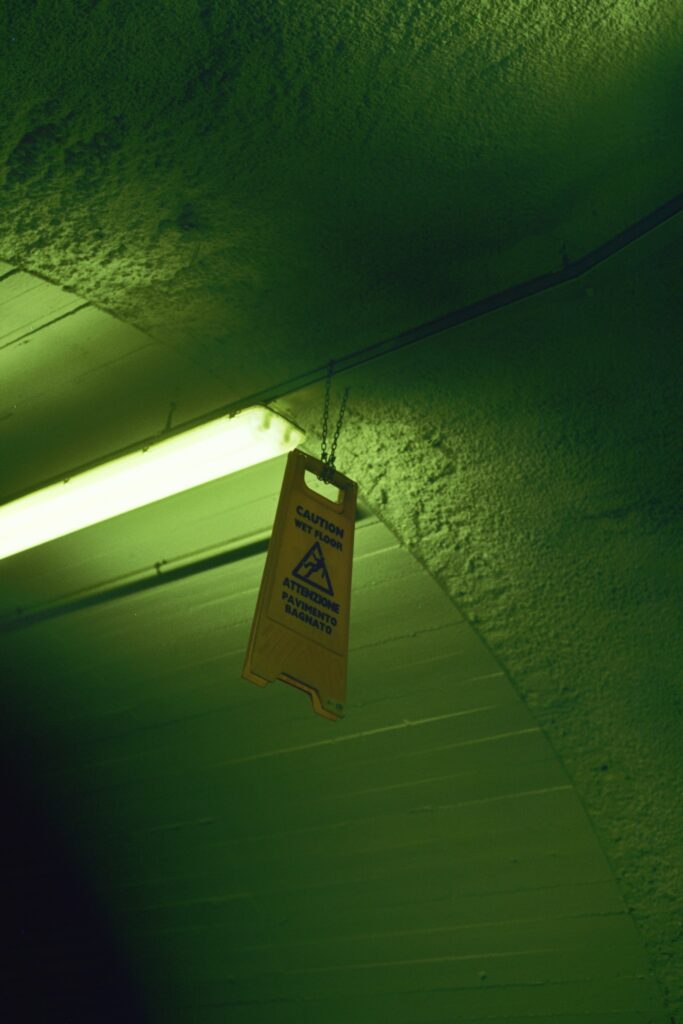
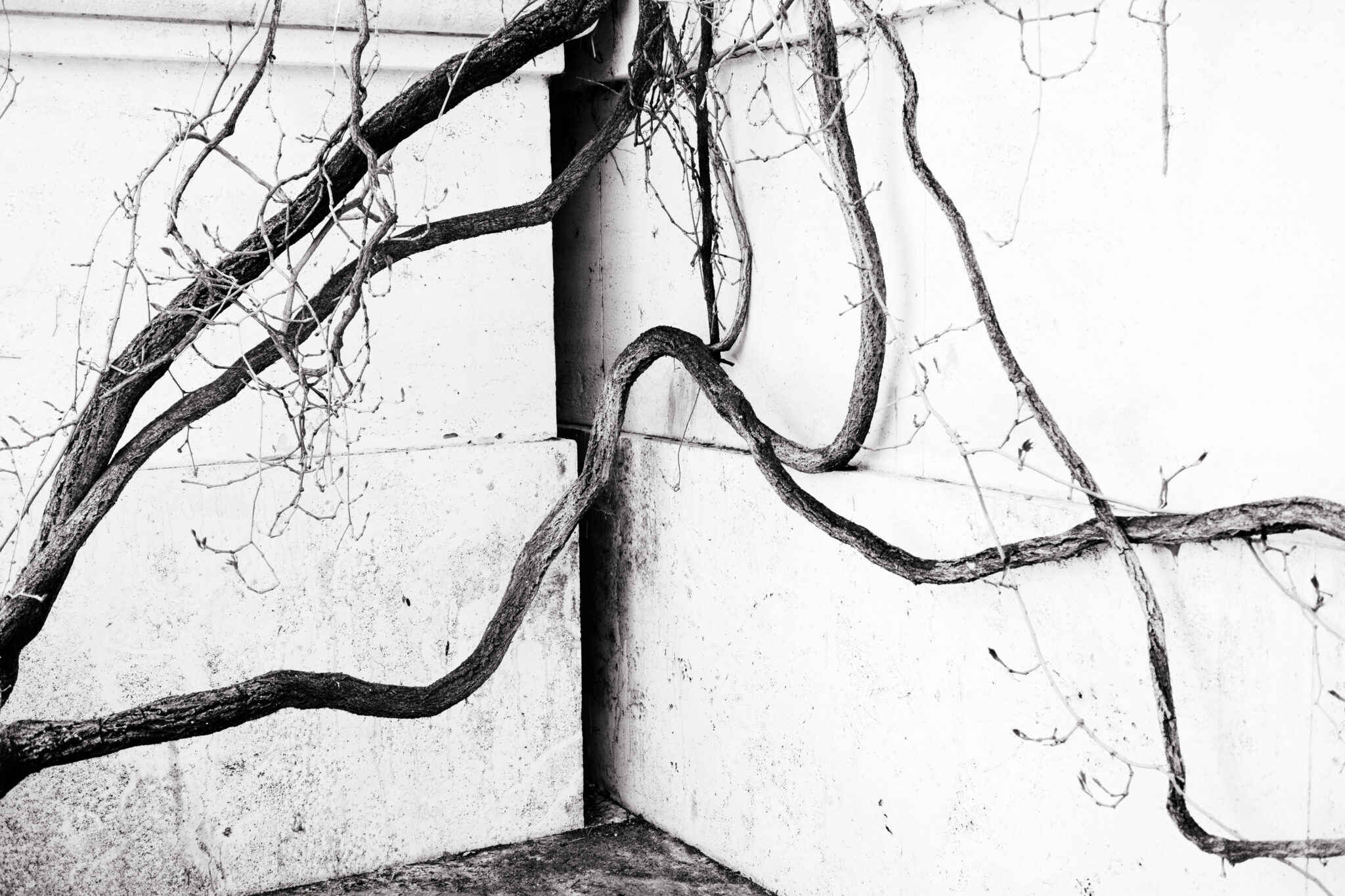
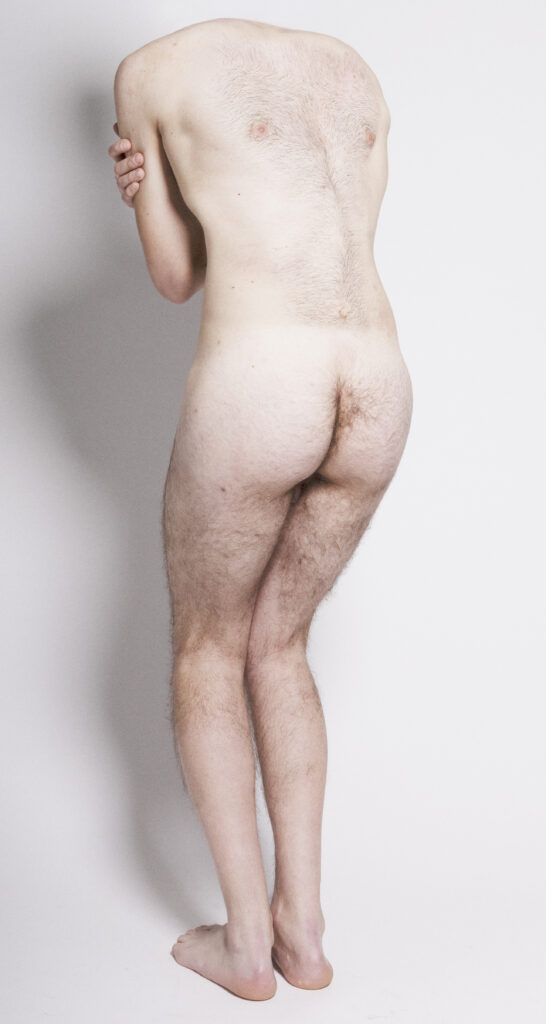
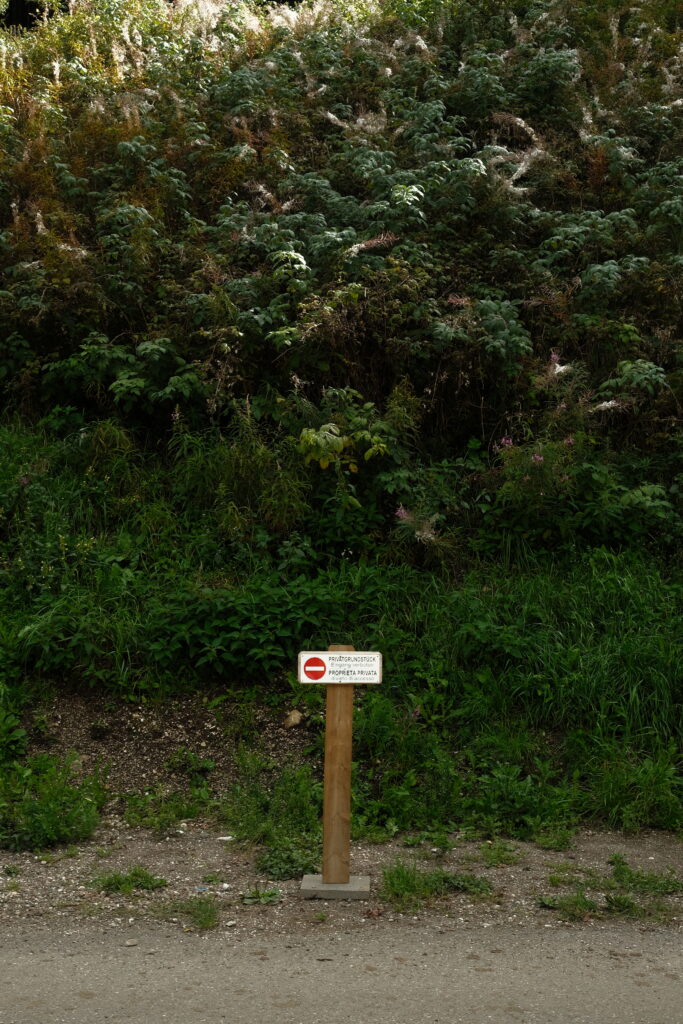
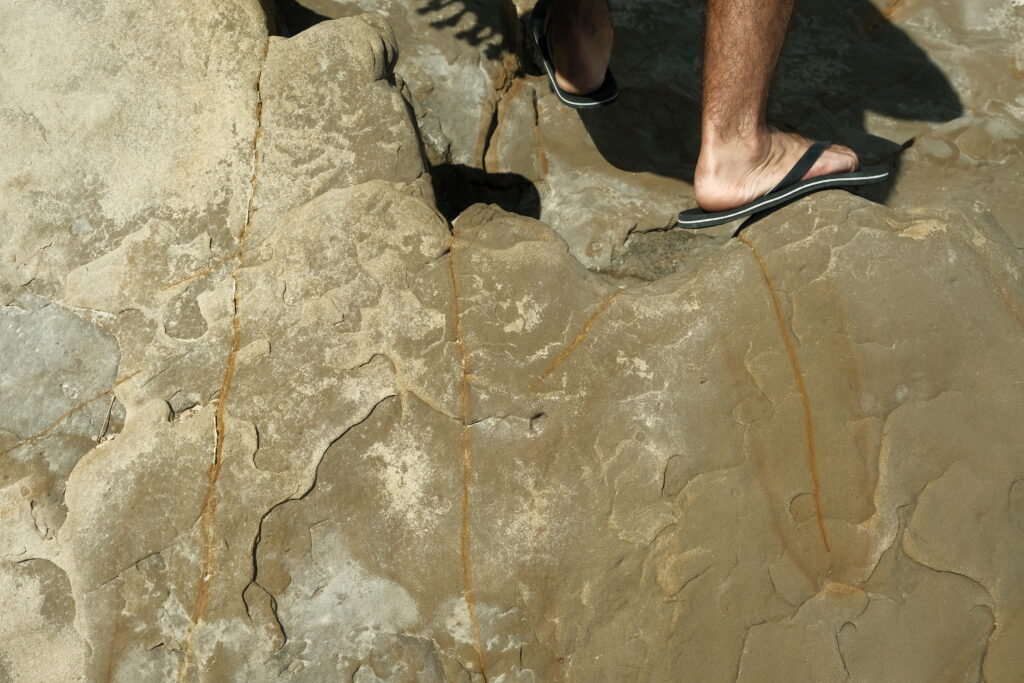
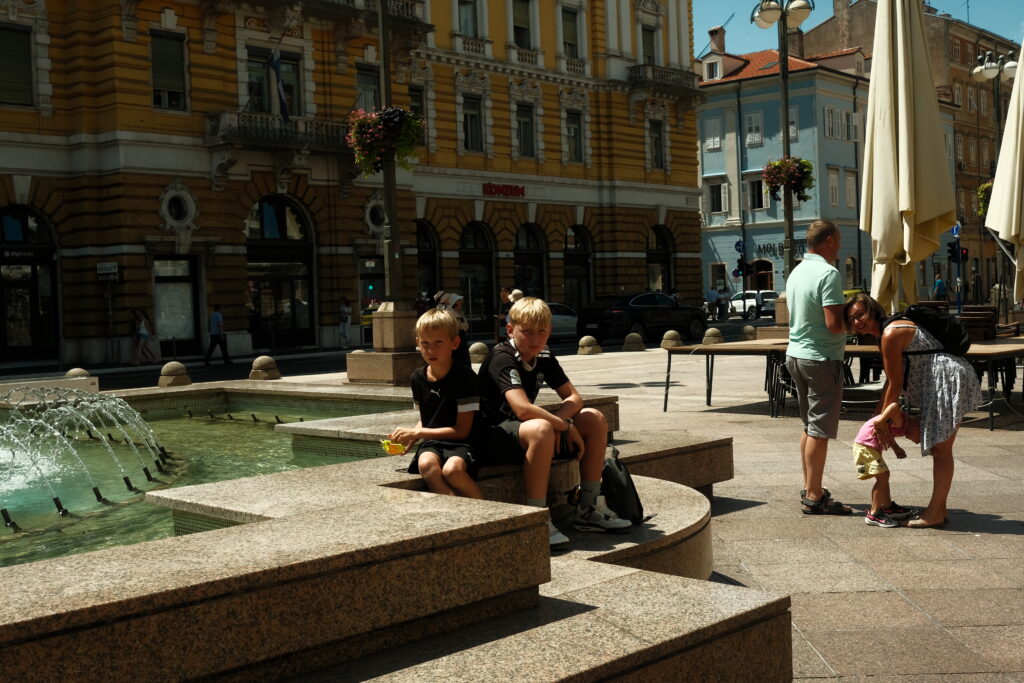
The concept of Margins forcefully captures the psychological dynamics of liminal visual storytelling. By refusing to anchor the viewer’s gaze to the center, the work shifts attention away from explicit resolution toward the suspended moment—a threshold in which the narrative is alluded to rather than delivered. There is a quiet strength in treating absence as an active device. When a gesture is cut off by the frame, a face remains obscured, or an object is found out of context, the composition stops being a static record and becomes an open equation. This dimension of the margin goes beyond the pure visual structure of the image and expands into a conceptual and geographical edge: the shoulder of a road, a periphery, an abandoned place. These are physical and symbolic territories that live at the margins of everyday perception, charged with a silent presence and untold stories.
“THE EDGE IS THE BEST PLACE FOR REACH KNOWLEDGE”
The tension created by this decentering—both formal and conceptual—turns the residual space into a place of waiting and narrative projection. Forms, gestures, and objects exist in a precarious balance between what is visible and what remains hidden, pushing the viewer to draw on their own memory and sensitivity to fill an intentional silence. Rather than acting as a passive consumer of a finished story, the viewer is engaged as an active co-creator, called on to bridge the gap between an antecedent context and an imminent outcome.
The margin thus becomes a fully inhabited space, in which absences and voids turn into active presences, letting the true intensity of the image reside entirely in the prolonging of that wait.